
Saving Money Starts With Your Books — and Your Equipment
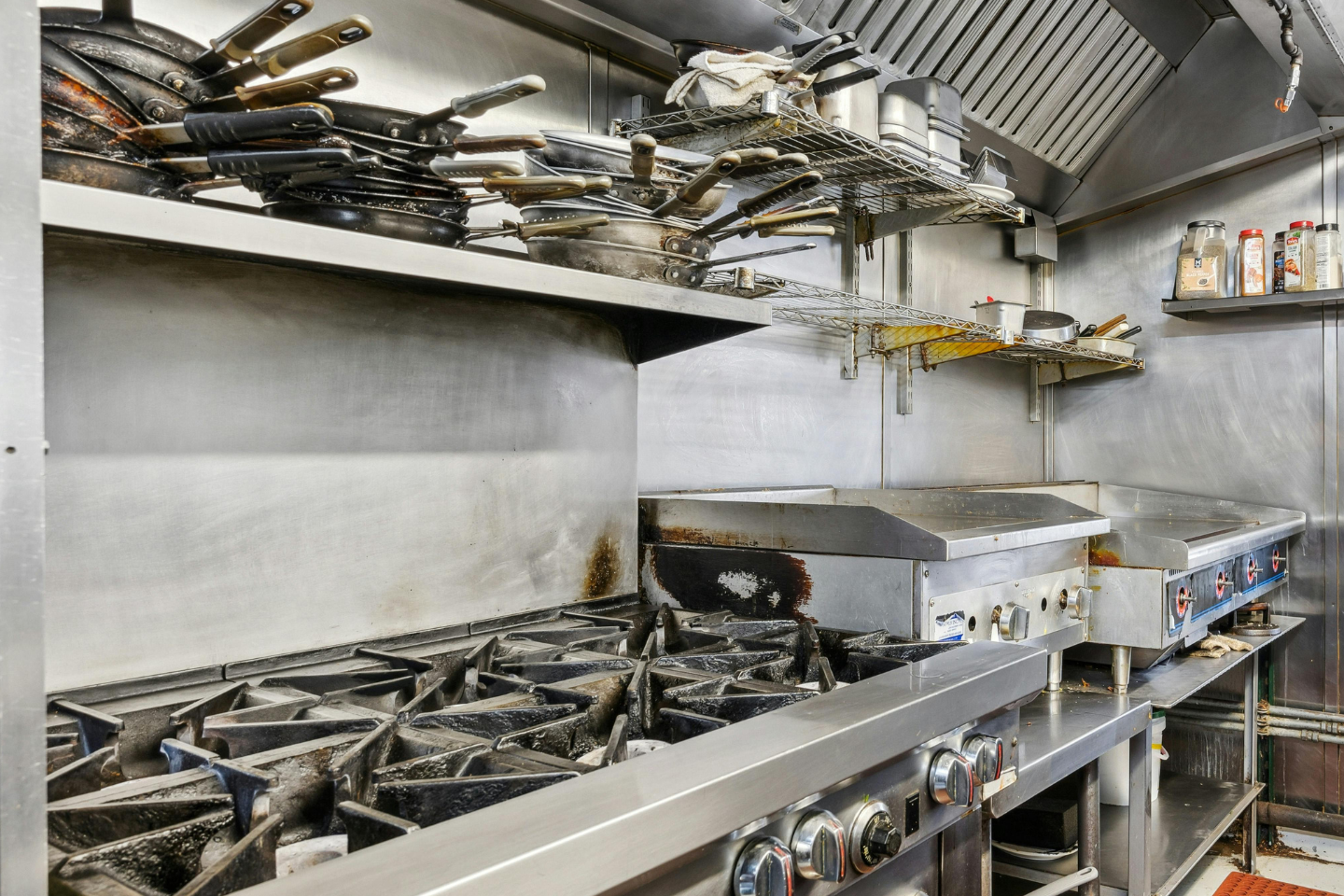 In today’s foodservice landscape, operators are looking closely at every line on the balance sheet. Labour, food costs, rent and interest rates are rising — but one area that often gets overlooked is equipment and energy usage. Reviewing your books with an eye on energy spend, equipment draw and replacement schedules can uncover real savings that support long-term profitability.
Beyond simply checking how much energy your equipment pulls, the purchase price and the incentives available can significantly change your payback period. Programs such as Enbridge Gas energy-efficient equipment incentives give operators practical ways to save money immediately, while reducing ongoing operating costs.
Below are three core takeaways pulled from Enbridge’s commercial incentives that foodservice operators should be considering.
1. Capture Instant Savings When Upgrading to High-Efficiency Equipment
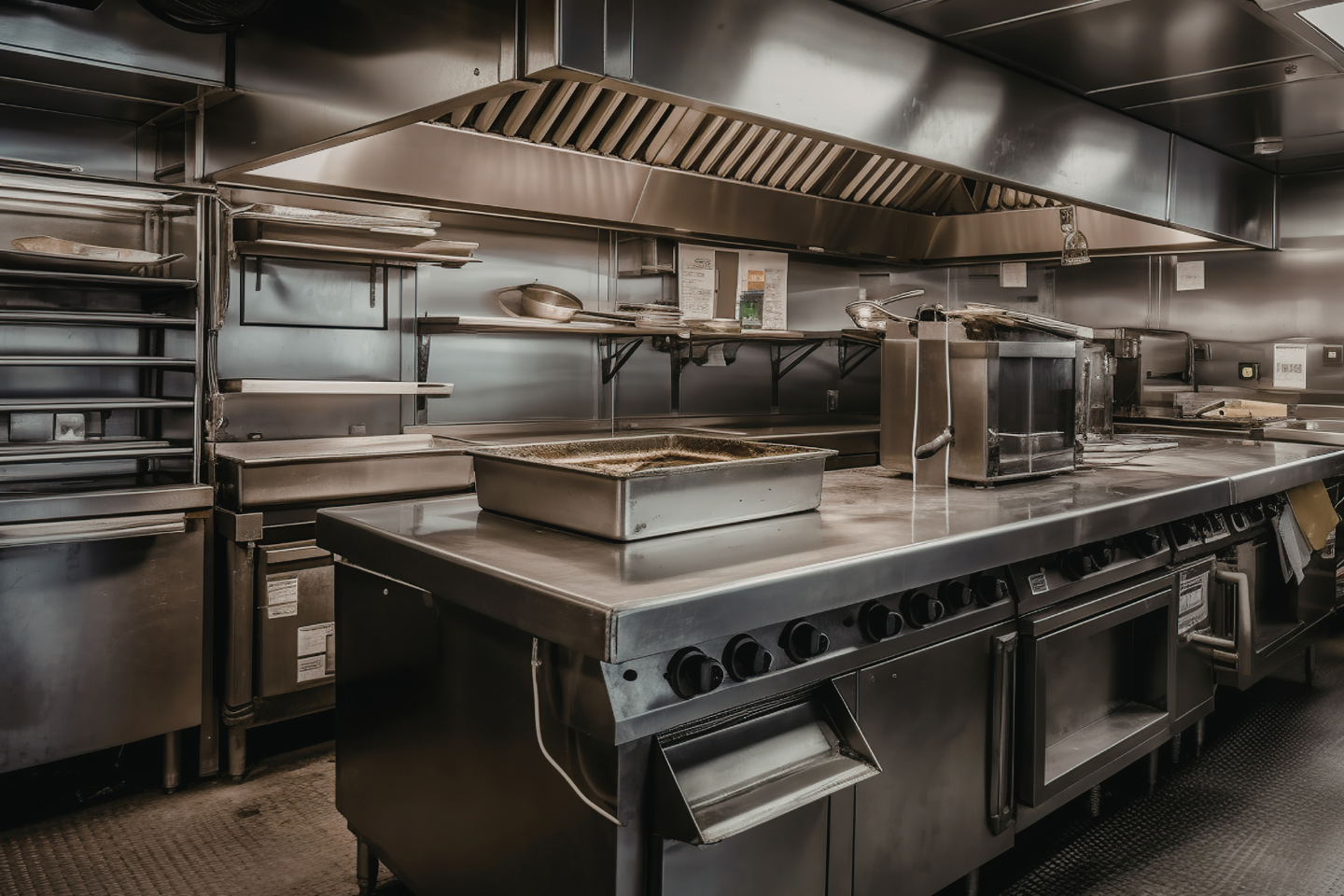
Instead of replacing equipment only when it fails, operators can plan purchases around incentives that reduce upfront costs. The Distributor Discount Program for Foodservice provides immediate, point-of-sale discounts on ENERGY STAR® and high-efficiency commercial kitchen equipment.
These savings are applied at the time of purchase, require no paperwork and lower the total cost of ownership. For operators managing tight budgets, this can shorten payback periods and make equipment planning more strategic.
2. Use Demand Control Kitchen Ventilation (DCKV) to Reduce Energy Waste
Ventilation systems often run at full power regardless of cooking activity, creating unnecessary energy spend. Demand Control Kitchen Ventilation systems automatically adjust fan speeds based on heat, smoke and cooking intensity.
Enbridge provides incentives of up to $10,000 per unit for retrofit installations, with additional bonuses for multiple units. For kitchens running long hours, this type of upgrade can deliver measurable cost reductions and extend the lifespan of existing HVAC equipment.
3. Offset Capital Upgrades Through Utility-Led Incentive Programs
Across Ontario, there are utility-driven programs that help offset investment in new equipment, retrofits and custom energy-efficiency projects. These programs can absorb a meaningful percentage of project costs, making upgrades accessible even during slower revenue periods.
Energy audits and studies, often supported through these incentives, help identify where energy is being wasted and which upgrades will deliver the strongest return. Reviewing these options alongside your financials can reveal savings opportunities that might not be obvious from utility bills alone.
Why This Matters for Foodservice Operators
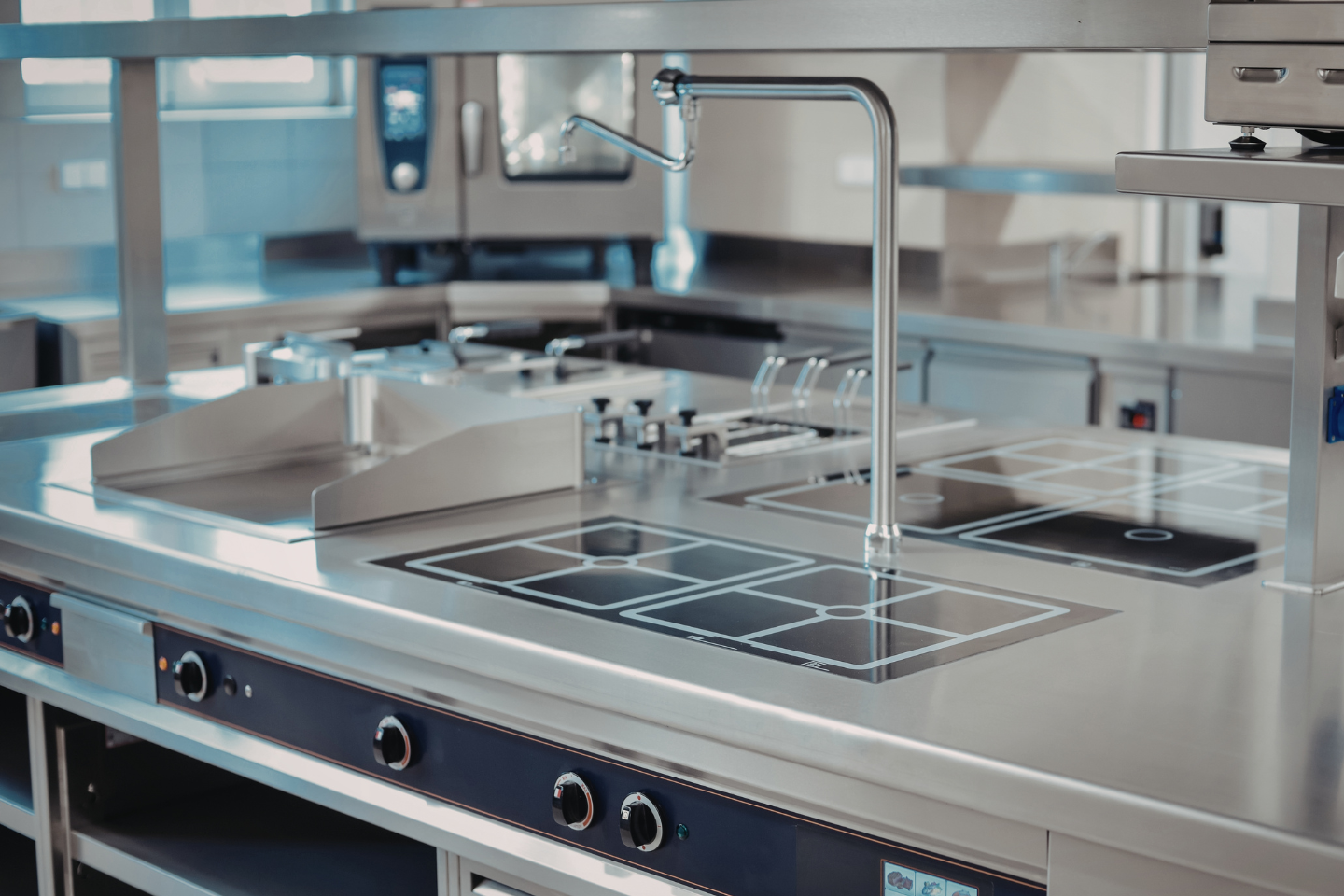
Many restaurants scrutinize food costs and labour with precision. Energy and equipment decisions deserve the same attention. By reviewing your books with a focus on equipment performance and available incentives, operators can reduce monthly expenses, lengthen the life of existing assets and even upgrade their kitchens without absorbing the full capital burden.
These are small operational decisions that add up — and in the current operating environment, every incremental saving strengthens the business.